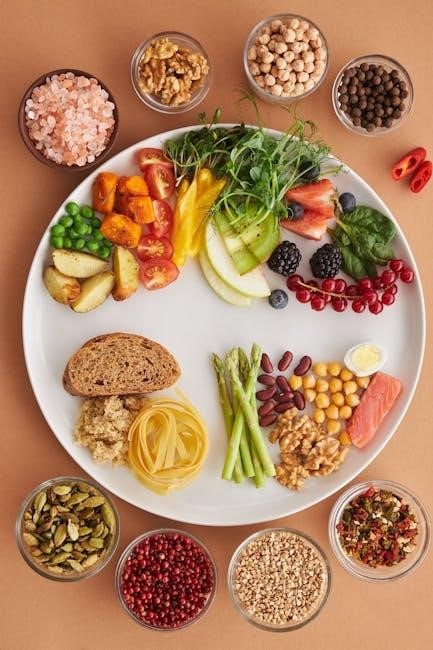
The Anti-Anxiety Diet: A Comprehensive Plan
Embark on a transformative journey with a holistic‚ low-carb approach‚ expertly designed by registered dietitian Ali Miller‚ to conquer anxiety and reclaim inner peace․
This program‚ detailed in resources like Miller’s book and readily available meal plans‚ focuses on reducing inflammation and nurturing gut health for lasting mental wellbeing․
Discover how dietary shifts‚ as highlighted by The Health Insider and various guides‚ can dramatically improve anxiety levels‚ offering a path to a calmer‚ steadier life․
The Anti-Anxiety Diet isn’t simply a restrictive eating plan; it’s a comprehensive‚ whole-body program meticulously crafted to address the root causes of anxiety through nutritional intervention․ Developed by registered dietitian Ali Miller‚ and detailed in her book‚ this approach recognizes the profound connection between what we eat‚ our brain health‚ and our mental wellbeing․
Unlike conventional treatments that often focus solely on managing symptoms‚ this diet aims to stabilize mood‚ reduce racing thoughts‚ and ultimately‚ alleviate panic․ It centers around a practical‚ low-carbohydrate framework designed to minimize inflammation‚ a key contributor to anxiety․ Resources‚ including readily available meal plans‚ emphasize prioritizing whole‚ unprocessed foods to nourish the gut – often referred to as the “second brain” – and balance stress chemistry․
The diet’s effectiveness‚ as noted by The Health Insider‚ has been observed in numerous individuals experiencing significant positive changes in anxiety levels through dietary modifications․ It’s a proactive step towards a calmer‚ more resilient you․
The Connection Between Diet and Anxiety
The Anti-Anxiety Diet fundamentally rests on the powerful link between nutrition and mental health․ Traditional approaches often overlook the gut-brain axis‚ but this diet places it at the forefront․ What we consume directly impacts neurotransmitter production – chemicals like serotonin and dopamine that regulate mood․ A diet high in processed foods‚ sugars‚ and unhealthy fats can trigger inflammation‚ disrupting this delicate balance and exacerbating anxiety symptoms․
Ali Miller’s work‚ detailed in her book‚ highlights how stabilizing blood sugar levels through a low-carbohydrate approach is crucial․ Fluctuations in blood sugar can mimic anxiety symptoms‚ creating a vicious cycle․ Furthermore‚ nutrient deficiencies‚ particularly in magnesium and omega-3 fatty acids‚ can impair nerve function and mood regulation․
By focusing on whole‚ unprocessed foods‚ the diet aims to provide the essential building blocks for optimal brain function and a calmer nervous system‚ as evidenced by positive outcomes reported by The Health Insider․
Understanding Inflammation and Anxiety
Chronic inflammation is increasingly recognized as a key driver of anxiety․ The Anti-Anxiety Diet directly addresses this by prioritizing foods that combat inflammation and eliminating those that promote it․ Processed foods‚ refined sugars‚ and unhealthy fats trigger inflammatory responses in the body‚ impacting brain function and contributing to anxiety symptoms․
Ali Miller’s research‚ as detailed in her book‚ emphasizes that inflammation disrupts neurotransmitter pathways‚ hindering the brain’s ability to regulate mood effectively․ This disruption can manifest as racing thoughts‚ worry‚ and even panic․ The diet’s low-carbohydrate focus helps stabilize blood sugar‚ reducing inflammatory signals․
Furthermore‚ incorporating antioxidant-rich foods‚ like berries and leafy greens‚ provides the body with tools to neutralize free radicals and quell inflammation‚ fostering a calmer mental state‚ a strategy highlighted by resources like Domesticate ME․
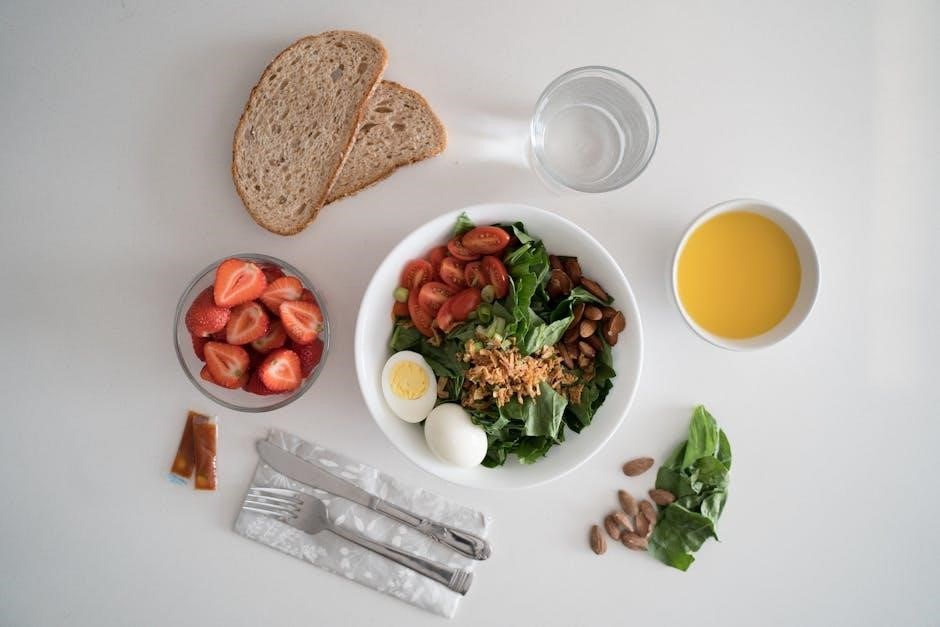
Core Principles of the Anti-Anxiety Diet
This diet centers on a low-carbohydrate foundation‚ prioritizing whole‚ unprocessed foods‚ and actively nurturing gut health to reduce inflammation and balance brain chemistry․
It’s a holistic approach‚ as outlined by Ali Miller‚ for sustained mental wellbeing․
Low-Carbohydrate Approach
The cornerstone of the Anti-Anxiety Diet is a strategic reduction in carbohydrate intake․ This isn’t about eliminating carbs entirely‚ but rather shifting the focus towards complex carbohydrates from non-starchy vegetables and limiting refined sugars and processed grains․
Ali Miller’s approach‚ detailed in her book‚ emphasizes that excessive carbohydrates can contribute to blood sugar imbalances‚ inflammation‚ and neurotransmitter dysregulation – all factors linked to heightened anxiety․ By stabilizing blood sugar levels‚ the diet aims to provide a consistent energy supply to the brain‚ reducing mood swings and promoting a calmer state․
This method supports the body’s natural ability to manage stress chemistry‚ fostering a more resilient nervous system․ The focus is on fueling the brain with the nutrients it needs for optimal function‚ rather than relying on quick-fix carbohydrate sources that can exacerbate anxiety symptoms․ It’s a foundational element for achieving lasting mental wellbeing․
Focus on Whole‚ Unprocessed Foods
Central to the Anti-Anxiety Diet is a commitment to nourishing the body with whole‚ unprocessed foods․ This means prioritizing real‚ nutrient-dense options over packaged‚ refined‚ and artificial ingredients․ Ali Miller’s program champions a return to basics‚ emphasizing foods in their natural state․
By eliminating processed foods‚ the diet minimizes exposure to inflammatory compounds‚ artificial sweeteners‚ and additives that can disrupt gut health and exacerbate anxiety․ The emphasis shifts to incorporating a vibrant array of fruits‚ vegetables‚ healthy fats‚ and lean proteins․

This approach provides the essential vitamins‚ minerals‚ and antioxidants needed to support brain function and regulate mood․ It’s about building a strong foundation of nutritional support‚ allowing the body to naturally manage stress and promote a sense of calm․ Prioritizing whole foods is a key step towards lasting mental wellbeing․
Prioritizing Gut Health
A cornerstone of the Anti-Anxiety Diet is recognizing the profound connection between gut health and mental wellbeing․ Often referred to as the “gut-brain axis‚” this bidirectional communication system significantly impacts mood‚ stress response‚ and anxiety levels․ Ali Miller’s approach directly addresses this link․
The diet encourages consuming foods rich in probiotics and prebiotics to foster a diverse and thriving gut microbiome․ This includes fermented foods like yogurt and kefir‚ alongside fiber-rich fruits and vegetables․ Reducing inflammation in the gut is crucial‚ as chronic inflammation can disrupt neurotransmitter production․
By nurturing a healthy gut‚ the Anti-Anxiety Diet aims to optimize nutrient absorption‚ reduce systemic inflammation‚ and support the production of mood-regulating neurotransmitters like serotonin․ A balanced gut microbiome is essential for a calmer‚ more resilient mind․

Key Nutrients for Anxiety Reduction
Fuel your brain with vital nutrients like antioxidants‚ magnesium‚ omega-3 fatty acids‚ and vitamin D‚ all crucial for calming the nervous system and boosting mood․
Prioritize foods abundant in these elements to protect brain health and regulate emotional wellbeing‚ as emphasized in the Anti-Anxiety Diet․
Antioxidants and Brain Protection
Antioxidants are paramount in the anti-anxiety diet‚ acting as powerful defenders against oxidative stress within the brain․ This stress‚ caused by free radicals‚ can contribute significantly to anxiety and mood disorders․ Nutrients like Vitamin C‚ Vitamin E‚ beta-carotene‚ and selenium are key players in neutralizing these harmful molecules․
Foods rich in antioxidants – vibrant berries‚ leafy greens‚ and colorful fruits – actively protect brain cells from damage‚ promoting optimal cognitive function and emotional stability․ Domesticate ME highlights the importance of “mainlining” these antioxidant-rich foods․ By reducing inflammation and supporting neuronal health‚ antioxidants contribute to a calmer‚ more resilient mental state․ Prioritizing these nutrients is a foundational element of Ali Miller’s approach‚ fostering a brain environment conducive to reduced anxiety and improved wellbeing․
Essentially‚ antioxidants aren’t just beneficial; they’re essential for a brain that can effectively manage stress and maintain emotional equilibrium․
Magnesium for Nerve Function
Magnesium plays a crucial‚ often underestimated‚ role in regulating the nervous system and mitigating anxiety․ This essential mineral is involved in over 300 enzymatic reactions within the body‚ many of which directly impact brain function and nerve transmission․
Adequate magnesium levels help to calm the nervous system‚ reducing excitability and promoting relaxation․ Deficiency‚ conversely‚ can exacerbate anxiety symptoms‚ contributing to irritability‚ restlessness‚ and difficulty sleeping․ Incorporating magnesium-rich foods into the anti-anxiety diet – such as leafy greens‚ nuts‚ and seeds – is therefore vital․ Ali Miller’s program emphasizes the importance of nutrient density‚ and magnesium certainly fits that criteria․
Supporting optimal nerve function through sufficient magnesium intake is a cornerstone of a holistic approach to anxiety management‚ fostering a sense of calm and wellbeing․
Omega-3 Fatty Acids and Mood Regulation
Omega-3 fatty acids‚ particularly EPA and DHA‚ are fundamental for brain health and play a significant role in mood regulation‚ making them a key component of the anti-anxiety diet․ These essential fats are building blocks for brain cell membranes‚ influencing their fluidity and function;
Research suggests that adequate omega-3 intake can help reduce symptoms of anxiety and depression․ They support neurotransmitter function‚ particularly serotonin and dopamine‚ which are crucial for emotional wellbeing․ Excellent sources include fatty fish like salmon‚ tuna‚ and mackerel‚ aligning with Ali Miller’s dietary recommendations․
Prioritizing omega-3 rich foods helps to nourish the brain‚ promoting a more balanced and resilient emotional state‚ and contributing to the overall effectiveness of the anti-anxiety dietary approach․
Vitamin D and Mental Wellbeing
Vitamin D‚ often called the “sunshine vitamin‚” is increasingly recognized for its profound impact on mental health‚ and is a vital consideration within the anti-anxiety diet framework․ Receptors for Vitamin D are found throughout the brain‚ suggesting a direct role in neurological function․
Deficiency in Vitamin D has been linked to increased risk of anxiety and mood disorders․ It influences neurotransmitter production and brain development‚ contributing to emotional regulation․ While sunlight is a primary source‚ dietary intake through fatty fish and fortified foods is also important‚ complementing Ali Miller’s dietary guidelines․
Ensuring adequate Vitamin D levels supports optimal brain function and can significantly contribute to reducing anxiety symptoms‚ enhancing the overall benefits of a holistic anti-anxiety approach․

Foods to Include in Your Anti-Anxiety Diet
Prioritize nutrient-dense options like leafy greens‚ fatty fish (salmon‚ tuna)‚ berries‚ and nuts/seeds‚ providing antioxidants and essential fats for optimal brain health․
Leafy Green Vegetables
Embrace the power of leafy greens – spinach‚ kale‚ collard greens‚ and romaine lettuce – as foundational components of the anti-anxiety diet․ These nutritional powerhouses are brimming with folate‚ magnesium‚ and antioxidants‚ vital for supporting neurological function and mitigating anxiety symptoms․
Folate plays a crucial role in neurotransmitter production‚ influencing mood regulation‚ while magnesium helps regulate the nervous system‚ promoting relaxation․ Antioxidants‚ like vitamin C and vitamin E‚ combat oxidative stress‚ protecting brain cells from damage․
Incorporating generous servings of leafy greens into your daily meals provides a natural and effective way to nourish your brain and calm your mind․ Enjoy them in salads‚ smoothies‚ or lightly steamed as a side dish to maximize their benefits․ They are truly a cornerstone of this dietary approach․
Fatty Fish (Salmon‚ Tuna‚ Mackerel)
Prioritize fatty fish – salmon‚ tuna‚ and mackerel – as key elements in an anti-anxiety dietary strategy‚ due to their rich omega-3 fatty acid content․ These essential fats are critical for brain health and mood regulation‚ directly impacting anxiety levels․
Omega-3s‚ particularly EPA and DHA‚ help reduce inflammation in the brain‚ a known contributor to anxiety disorders․ They also enhance neurotransmitter function‚ supporting serotonin and dopamine production‚ which promote feelings of calm and wellbeing․

Aim for at least two servings of fatty fish per week to reap these benefits․ Incorporate them into your meals through grilling‚ baking‚ or steaming to preserve their nutritional value․ This dietary inclusion is a powerful step towards a more balanced and peaceful mental state․
Berries and Other Fruits
Embrace the power of berries and select fruits as vital components of an anti-anxiety diet‚ capitalizing on their potent antioxidant properties․ Antioxidants‚ like vitamin C and beta-carotene‚ are crucial for protecting the brain from oxidative stress‚ a factor linked to anxiety and mood disorders․
Berries – blueberries‚ strawberries‚ raspberries – are particularly beneficial due to their high anthocyanin content‚ which supports cognitive function and reduces inflammation․ Other fruits‚ enjoyed in moderation due to their natural sugar content‚ contribute essential vitamins and minerals․
Prioritize whole fruits over juices to maximize fiber intake‚ promoting gut health – a cornerstone of anxiety management․ Incorporate these colorful additions into your daily routine for a natural boost to mental wellbeing․
Nuts and Seeds
Nuts and seeds are nutritional powerhouses‚ offering a wealth of benefits for those seeking to manage anxiety through diet․ They are excellent sources of magnesium‚ a mineral often deficient in individuals experiencing anxiety‚ crucial for healthy nerve function and relaxation․
Furthermore‚ nuts and seeds provide essential omega-3 fatty acids‚ which play a vital role in mood regulation and brain health․ Chia seeds‚ flaxseeds‚ walnuts‚ and almonds are particularly noteworthy for their omega-3 content․
These healthy fats help reduce inflammation‚ a key factor in anxiety disorders․ Enjoy a handful daily as a snack or incorporate them into meals for sustained energy and a calming effect on the nervous system․

Foods to Limit or Avoid
Minimize processed foods‚ sugars‚ caffeine‚ alcohol‚ and potential sensitivities like gluten and dairy to reduce inflammation and support a balanced nervous system․
These items can exacerbate anxiety symptoms‚ hindering the positive effects of a nutrient-rich‚ anti-anxiety dietary approach․
Processed Foods and Sugars
Highly processed foods and refined sugars are significant contributors to inflammation within the body‚ directly impacting anxiety levels․ These items often lack essential nutrients and can disrupt gut health‚ a crucial component of mental wellbeing as emphasized by the Anti-Anxiety Diet program․
Consuming these foods causes rapid spikes and crashes in blood sugar‚ leading to mood swings‚ irritability‚ and increased feelings of anxiety․ The quick energy boost is followed by a slump‚ exacerbating nervous system imbalances․
Furthermore‚ processed foods frequently contain artificial additives and unhealthy fats that can negatively affect brain function; Reducing or eliminating these from your diet is a cornerstone of the anti-anxiety approach‚ promoting a calmer‚ more stable internal environment․ Prioritizing whole‚ unprocessed alternatives is key to long-term anxiety management․
Caffeine and Alcohol
Both caffeine and alcohol‚ while seemingly offering temporary relief‚ can significantly worsen anxiety symptoms and disrupt the delicate balance of the nervous system․ Caffeine is a stimulant that triggers the release of cortisol‚ the stress hormone‚ potentially exacerbating feelings of nervousness and panic․
Alcohol‚ initially appearing to relax‚ is a depressant that interferes with neurotransmitter function‚ leading to mood disturbances and increased anxiety as it wears off․ It can also disrupt sleep patterns‚ further contributing to mental health challenges․
The Anti-Anxiety Diet emphasizes minimizing or eliminating these substances to support a calmer‚ more stable state․ Replacing them with hydrating alternatives like herbal teas or water can promote better nerve function and reduce overall anxiety levels‚ fostering a more peaceful internal environment․

Artificial Sweeteners
Artificial sweeteners‚ often found in diet sodas and processed “sugar-free” foods‚ are surprisingly detrimental to mental wellbeing and should be limited on the Anti-Anxiety Diet․ While marketed as healthier alternatives‚ these substances can disrupt gut health‚ a critical component in managing anxiety․
Emerging research suggests artificial sweeteners can negatively impact the gut microbiome‚ leading to inflammation and potentially affecting neurotransmitter production‚ like serotonin‚ which plays a vital role in mood regulation․
Furthermore‚ some individuals experience neurological effects from artificial sweeteners‚ contributing to headaches or mood swings․ Opting for whole‚ natural sweeteners in moderation‚ or simply reducing overall sweetness‚ is a more supportive approach to calming the nervous system and promoting mental clarity․
Gluten and Dairy (Potential Sensitivities)
While not universally problematic‚ gluten and dairy are common inflammatory triggers for many individuals‚ and identifying potential sensitivities is a key aspect of the Anti-Anxiety Diet․ Both can contribute to gut inflammation‚ which‚ as established‚ has a strong link to anxiety and mood disorders․
Gluten‚ a protein found in wheat‚ barley‚ and rye‚ can increase intestinal permeability (“leaky gut”) in susceptible individuals‚ allowing inflammatory compounds to enter the bloodstream․ Similarly‚ dairy‚ containing lactose and casein‚ can be challenging for those with sensitivities․
An elimination trial – temporarily removing these foods and observing symptom changes – can help determine if they are contributing to your anxiety․ Focusing on gut-healing foods during this process is crucial for optimal results and long-term mental wellbeing․
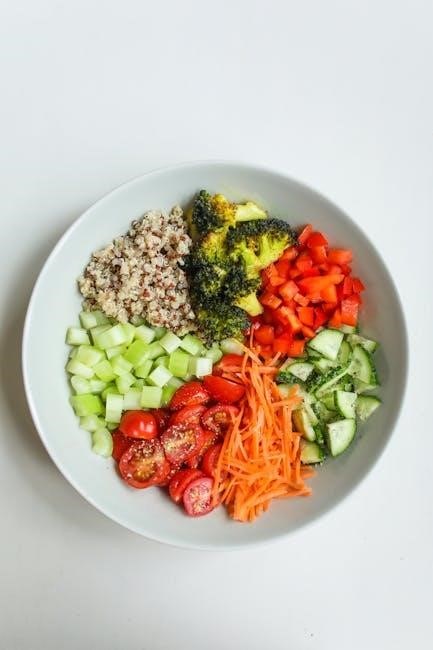
Sample 4-Week Meal Plan Overview
Begin with initial dietary changes‚ then build consistency and variety‚ prioritizing whole foods‚ healthy fats‚ and adequate protein for sustained anxiety reduction and improved mental clarity․
Giselle Moore’s plan offers a structured approach‚ while Ali Miller’s guidance emphasizes personalized adjustments for optimal results․
Week 1: Initial Dietary Changes
The first week centers on foundational shifts‚ eliminating processed foods‚ sugars‚ and caffeine—major anxiety triggers—to stabilize blood sugar and reduce inflammation․ Focus on incorporating leafy greens‚ berries‚ and healthy fats like avocado and olive oil into every meal․
Prioritize protein intake with fatty fish (salmon‚ tuna) and lean meats to support neurotransmitter function․ Begin tracking your food intake and noting any correlations between specific foods and anxiety symptoms․ Hydration is crucial; aim for at least eight glasses of water daily․
This week isn’t about restriction‚ but rather mindful substitution․ Replace sugary drinks with herbal teas and refined carbohydrates with complex options like quinoa or sweet potatoes․ Ali Miller’s approach emphasizes a gradual transition‚ so don’t strive for perfection‚ but consistent effort․ Expect some initial discomfort as your body adjusts‚ but persevere—the benefits are worth it!
Week 2-4: Building Consistency and Variety
These weeks focus on solidifying the dietary changes and expanding your repertoire of anti-anxiety foods․ Continue prioritizing whole‚ unprocessed options‚ but introduce more variety to prevent boredom and ensure nutrient adequacy․ Experiment with different leafy greens‚ berries‚ nuts‚ and seeds․
Explore recipes incorporating fatty fish and lean proteins․ Pay attention to potential sensitivities to gluten and dairy‚ considering elimination and reintroduction if symptoms persist․ Continue tracking your food and mood‚ refining your diet based on individual responses․
Ali Miller’s program encourages mindful eating and stress management techniques alongside dietary adjustments․ Focus on consistent meal timing and adequate sleep․ This phase is about creating sustainable habits‚ not temporary fixes‚ fostering long-term mental wellbeing through nutrition․

Resources and Further Information
Dive deeper with Ali Miller’s “The Anti-Anxiety Diet” book and connect with supportive online communities for guidance and shared experiences․
Explore readily available meal plans and resources to enhance your journey towards a calmer‚ more balanced life through mindful nutrition․
Ali Miller’s “The Anti-Anxiety Diet” Book
Ali Miller’s groundbreaking book‚ “The Anti-Anxiety Diet: A Whole Body Program to Stop Racing Thoughts‚ Banish Worry and Live Panic-Free‚” serves as the cornerstone of this transformative approach․
Published in 2018 (ISBN: 978-1612438023)‚ this resource meticulously connects anxiety‚ nutrition‚ and brain health‚ offering a practical‚ low-carbohydrate framework for lasting relief․
Miller‚ a registered dietitian‚ empowers readers to reduce inflammation‚ support optimal gut health‚ and balance stress chemistry – all through the power of food․
The book isn’t simply a diet; it’s a comprehensive guide to building a calmer‚ steadier life from the inside out‚ providing actionable strategies and insights for sustained wellbeing․
It details how specific dietary modifications can lead to noticeably positive changes in anxiety levels‚ offering hope and a tangible path towards mental clarity and emotional resilience․
Online Support Groups and Communities
Embarking on the anti-anxiety diet journey is significantly enhanced by connecting with like-minded individuals through online support groups and communities․
These platforms provide a safe and encouraging space to share experiences‚ challenges‚ and successes‚ fostering a sense of belonging and accountability․
Numerous online forums and social media groups are dedicated to the principles outlined in Ali Miller’s “The Anti-Anxiety Diet‚” offering valuable resources and peer support․
Members often exchange recipes‚ meal plans‚ and tips for navigating dietary changes‚ making the process more manageable and enjoyable․
Finding a supportive community can be instrumental in maintaining motivation and overcoming obstacles‚ ultimately contributing to long-term adherence and positive outcomes․
Leave a Reply
You must be logged in to post a comment.