
Intermittent fasting‚ gaining traction for health benefits and weight management‚ involves cycling between periods of eating and voluntary fasting‚ attracting many followers globally.
This dietary approach‚ increasingly popular among athletes‚ restricts food intake for defined durations‚ impacting caloric consumption and metabolic processes‚ offering a flexible lifestyle.
Despite its rising trend‚ intermittent fasting remains a controversial practice‚ with debates surrounding its efficacy and potential risks‚ requiring careful consideration before adoption.
Reflecting on eating habits – meal timing‚ frequency‚ and snacking patterns – is crucial when exploring intermittent fasting‚ as individual routines greatly influence outcomes.
While some experts advocate for intermittent fasting‚ others caution against it‚ highlighting the need for scientific consensus and personalized dietary guidance for optimal health.
The potential for weight loss through reduced caloric intake is a key driver of intermittent fasting’s popularity‚ though its long-term effects are still under investigation.
Recent analyses challenge the “miracle” status of intermittent fasting‚ prompting a reevaluation of its benefits and a more nuanced understanding of its impact on health.
Despite initial skepticism‚ emerging data suggests positive impacts of fasting on various health domains‚ warranting further research and exploration of its therapeutic potential.
What is Intermittent Fasting?
Intermittent fasting (IF) isn’t a diet dictating what you eat‚ but rather when you eat. It’s an eating pattern that cycles between periods of eating and voluntary fasting on a regular schedule. This approach differs significantly from traditional dieting‚ focusing on timing rather than restriction of specific food groups.

The core principle revolves around extending the period when your body has finished digesting your last meal and begins burning fat. This metabolic switch is believed to offer various health benefits. IF has gained popularity due to its flexibility and potential for weight management‚ attracting a diverse range of individuals seeking a sustainable lifestyle change.
However‚ it’s crucial to understand that IF isn’t suitable for everyone. Controversies exist regarding its efficacy and potential risks‚ emphasizing the importance of individual assessment and‚ ideally‚ consultation with a healthcare professional before embarking on an IF regimen. The practice is gaining traction‚ even among athletes‚ though scientific consensus remains elusive.
The 16/8 Method Explained
The 16/8 intermittent fasting method‚ arguably the most popular approach‚ involves restricting your daily eating window to 8 hours and fasting for the remaining 16 hours. This typically means skipping breakfast‚ eating your first meal around noon‚ and finishing your last meal by 8 PM. It’s considered relatively easy to adhere to‚ as it doesn’t require drastically altering what you eat‚ only when.
This method aligns well with many people’s lifestyles‚ allowing for three meals within the 8-hour window. The extended fasting period encourages the body to tap into fat stores for energy‚ potentially aiding weight loss and improving metabolic health. However‚ consistency is key; maintaining a regular eating and fasting schedule is crucial for optimal results.
Despite its simplicity‚ individual adjustments may be necessary. Listening to your body and adapting the window to fit your daily routine is essential. It’s important to remember that IF isn’t a one-size-fits-all solution‚ and experimentation may be required to find what works best for you.

Benefits of the 16/8 Intermittent Fasting Plan
Intermittent fasting offers potential weight loss‚ improved insulin sensitivity‚ and cellular repair through autophagy‚ impacting metabolic health and overall well-being significantly.
Weight Loss and Metabolism
The 16/8 intermittent fasting plan frequently demonstrates effectiveness in weight management by naturally reducing overall caloric intake. Concentrating eating into an eight-hour window often leads to consuming fewer meals and snacks‚ contributing to a caloric deficit crucial for weight loss.
Beyond simple calorie restriction‚ intermittent fasting can positively influence metabolism. During the fasting period‚ the body shifts from utilizing glucose as its primary energy source to burning stored fat‚ potentially enhancing fat oxidation. This metabolic switch can contribute to sustained weight loss and improved body composition.
Furthermore‚ studies suggest intermittent fasting may increase levels of norepinephrine‚ a hormone that promotes fat burning and boosts metabolic rate. However‚ individual responses vary‚ and consistent adherence to the eating schedule is vital for realizing these metabolic benefits. It’s a strategy focused on when you eat‚ not just what you eat.
Improved Insulin Sensitivity
Intermittent fasting‚ particularly the 16/8 method‚ shows promise in enhancing insulin sensitivity‚ a critical factor in metabolic health. Insulin resistance‚ where cells become less responsive to insulin‚ is linked to type 2 diabetes and other chronic conditions. By restricting the eating window‚ the body experiences prolonged periods without constant glucose influx.
This allows insulin levels to decrease‚ giving cells a break and potentially restoring their sensitivity to insulin. Improved insulin sensitivity means the body can more effectively utilize glucose for energy‚ reducing the risk of insulin resistance and related health problems.
Consequently‚ this can lead to more stable blood sugar levels and reduced cravings. While not a cure‚ intermittent fasting can be a valuable tool for individuals aiming to improve their metabolic health and manage blood sugar. Consistent practice and a balanced diet within the eating window are key to maximizing these benefits.
Potential for Cellular Repair (Autophagy)
A compelling benefit of intermittent fasting‚ especially the 16/8 approach‚ lies in its potential to stimulate autophagy – the body’s natural cellular “cleanup” process. During periods of fasting‚ when nutrient availability is limited‚ cells initiate autophagy to remove damaged or dysfunctional components.
This process is crucial for maintaining cellular health and preventing the accumulation of cellular debris linked to aging and disease. By essentially recycling cellular parts‚ autophagy promotes cellular renewal and resilience. While research is ongoing‚ studies suggest intermittent fasting can significantly enhance autophagy rates.
This cellular repair mechanism may contribute to various health benefits‚ including improved brain function and reduced risk of chronic illnesses. Optimizing autophagy through intermittent fasting‚ alongside a nutrient-rich diet during eating windows‚ supports overall cellular wellbeing and longevity.
Creating a 16/8 Menu: Food Choices
Strategic food selection within the 8-hour eating window is paramount for maximizing the benefits of the 16/8 intermittent fasting plan‚ ensuring optimal nutrition.
Foods to Focus On During Eating Window
Prioritizing nutrient-dense foods during your 8-hour eating window is crucial for success with the 16/8 method. Focus on whole‚ unprocessed options to fuel your body effectively and support overall health. This isn’t about restriction‚ but rather about maximizing the quality of your intake.

Embrace a colorful array of fruits and vegetables‚ providing essential vitamins‚ minerals‚ and fiber. These contribute to satiety and support digestive health. Incorporate lean protein sources to maintain muscle mass and promote feelings of fullness‚ aiding in weight management. Don’t shy away from healthy fats‚ vital for hormone production and sustained energy levels.
Complex carbohydrates‚ like whole grains and legumes‚ offer a slow-releasing energy source‚ preventing energy crashes and keeping hunger at bay. Remember‚ the goal is to nourish your body with foods that provide lasting benefits‚ making your eating window both enjoyable and productive for achieving your health goals.
Proteins for Satiety and Muscle Maintenance
Prioritizing protein intake within your 16/8 eating window is paramount for both feeling full and preserving lean muscle mass. Protein is incredibly satiating‚ helping to manage hunger and reduce cravings during your fasting period. Aim to include a quality protein source in each meal to maximize these benefits.
Excellent choices include lean meats like chicken and turkey‚ fish rich in omega-3 fatty acids‚ eggs‚ and plant-based options such as lentils‚ beans‚ and tofu. These provide essential amino acids crucial for muscle repair and growth. Adequate protein intake also supports a healthy metabolism‚ contributing to weight management goals.
Consider incorporating protein shakes or Greek yogurt as convenient options to boost your daily intake. Remember‚ sufficient protein is not just about aesthetics; it’s fundamental for overall health and maintaining a strong‚ functional body throughout your intermittent fasting journey.
Healthy Fats for Energy and Hormone Production
Incorporating healthy fats into your 16/8 eating window is vital for sustained energy levels and optimal hormone function. Fats are more calorie-dense than proteins or carbohydrates‚ contributing to satiety and helping you feel fuller for longer‚ which is beneficial during fasting periods.
Focus on unsaturated fats found in sources like avocados‚ olive oil‚ nuts‚ and seeds. These fats support brain health‚ reduce inflammation‚ and aid in the absorption of fat-soluble vitamins. Don’t shy away from including fatty fish like salmon‚ rich in omega-3 fatty acids‚ known for their numerous health benefits.
Healthy fats also play a crucial role in hormone production‚ particularly testosterone and estrogen‚ impacting mood‚ energy‚ and overall well-being. Prioritize these fats to support a balanced hormonal profile and enhance your intermittent fasting experience.
Complex Carbohydrates for Sustained Energy
Prioritizing complex carbohydrates within your 16/8 eating window is essential for providing sustained energy and supporting physical activity. Unlike simple sugars‚ complex carbs are digested slowly‚ preventing rapid blood sugar spikes and crashes‚ which can lead to cravings during your fasting period.
Excellent sources include whole grains like quinoa and brown rice‚ starchy vegetables such as sweet potatoes and butternut squash‚ and legumes like lentils and chickpeas. These foods are also rich in fiber‚ further promoting satiety and digestive health.
Focus on incorporating a moderate amount of complex carbohydrates into your meals‚ ensuring they complement your protein and healthy fat intake. This balanced approach will fuel your body effectively and support your intermittent fasting goals‚ providing lasting energy throughout the day.
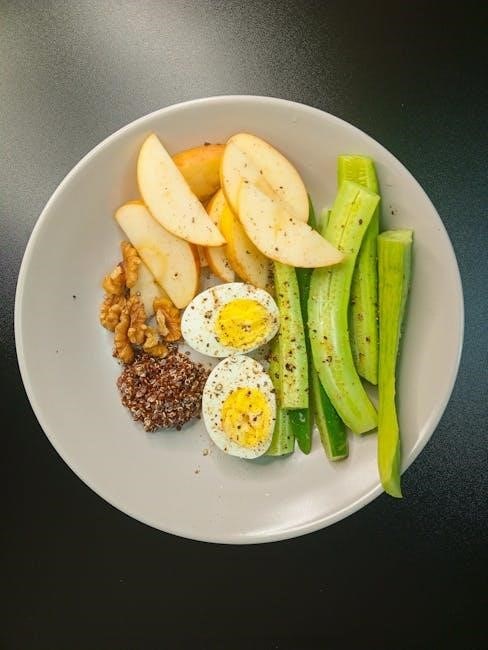
Sample 16/8 Intermittent Fasting Menu (PDF Focus)
A well-structured menu is vital for success‚ offering practical meal ideas within the 8-hour eating window‚ optimizing nutrition and adherence to the plan.
Breakfast (Within Eating Window ─ Example)
Starting your day with a nutrient-rich breakfast is crucial when following the 16/8 intermittent fasting schedule‚ setting the tone for sustained energy and satiety throughout your eating window.
Consider a hearty omelet crafted with two to three eggs‚ incorporating spinach‚ mushrooms‚ and a sprinkle of feta cheese – providing ample protein and essential vitamins.
Alternatively‚ a Greek yogurt parfait layered with berries‚ a tablespoon of chia seeds‚ and a handful of almonds offers a delightful blend of protein‚ fiber‚ and healthy fats.
For those preferring a quicker option‚ a smoothie blending protein powder‚ spinach‚ banana‚ and almond milk delivers a convenient and nutritious start to the day.
Remember to prioritize protein intake at breakfast to promote fullness and support muscle maintenance‚ aligning with the goals of a balanced intermittent fasting approach.
Pairing your breakfast with a glass of water further enhances hydration and supports overall well-being‚ maximizing the benefits of your eating window.
Lunch (Within Eating Window ⏤ Example)
Midday nourishment during your 16/8 intermittent fasting window should focus on providing sustained energy and essential nutrients to power through the afternoon.
A grilled chicken salad with mixed greens‚ avocado‚ cherry tomatoes‚ and a light vinaigrette dressing is an excellent choice‚ delivering lean protein and healthy fats.
Alternatively‚ a salmon fillet paired with quinoa and steamed broccoli offers a rich source of omega-3 fatty acids‚ complex carbohydrates‚ and vital vitamins.
For a vegetarian option‚ a lentil soup accompanied by a whole-wheat roll provides a hearty and fiber-rich meal‚ promoting satiety and digestive health.
Prioritize incorporating a variety of colorful vegetables into your lunch to maximize your intake of antioxidants and phytonutrients‚ supporting overall wellness.
Remember to drink plenty of water with your lunch to stay hydrated and aid in digestion‚ optimizing the benefits of your midday meal.
Dinner (Within Eating Window ─ Example)
Concluding your eating window with a balanced dinner is crucial for recovery and preparing your body for the overnight fast within the 16/8 method.
A lean steak (around 4-6oz) served with roasted sweet potatoes and asparagus provides a protein-rich and nutrient-dense meal‚ supporting muscle maintenance.
Consider baked cod with a side of brown rice and green beans for a lighter option‚ offering essential amino acids and complex carbohydrates for sustained energy.
A vegetarian stir-fry featuring tofu‚ broccoli‚ bell peppers‚ and a light soy-ginger sauce is a flavorful and nutritious choice‚ packed with vitamins and minerals.
Avoid heavy‚ processed foods or excessive sugar intake at dinner‚ as these can disrupt sleep and hinder the benefits of intermittent fasting.
Prioritize mindful eating and savor your meal‚ allowing your body to fully digest and absorb the nutrients before commencing your fasting period.

Potential Concerns and Who Should Avoid 16/8
Intermittent fasting isn’t suitable for everyone; individuals with certain medical conditions or contraindications should exercise caution or avoid it altogether.
Pregnant or breastfeeding women‚ those with eating disorders‚ and individuals with diabetes require careful medical supervision before attempting this dietary approach.
Potential side effects include hunger‚ fatigue‚ headaches‚ and irritability‚ which can usually be managed with proper hydration and mindful eating strategies.
Consulting a healthcare professional is essential to determine if the 16/8 method aligns with your individual health needs and goals‚ ensuring safety and efficacy.
Contraindications and Medical Conditions
Intermittent fasting (IF)‚ including the 16/8 method‚ isn’t universally appropriate and presents contraindications for specific populations and pre-existing medical conditions. Individuals with a history of‚ or current‚ eating disorders – such as anorexia nervosa or bulimia – should absolutely avoid IF‚ as it can exacerbate these conditions and trigger harmful behaviors.
Pregnant or breastfeeding women require consistent nutrient intake to support fetal development and milk production; restricting calories through IF is therefore inadvisable. Similarly‚ individuals with diabetes‚ particularly those on medication‚ must consult their physician before attempting IF‚ as it can significantly impact blood sugar levels and necessitate medication adjustments;
Those with a history of hypoglycemia (low blood sugar) should also proceed with extreme caution‚ as fasting periods could further lower glucose levels. People with adrenal fatigue or other hormonal imbalances may find IF disruptive to their already delicate systems. Finally‚ individuals taking any prescription medications should discuss IF with their doctor to ensure there are no potential interactions or adverse effects.
Prioritizing safety and personalized medical advice is paramount before embarking on any intermittent fasting regimen.
Side Effects and How to Manage Them
Initial adaptation to the 16/8 intermittent fasting (IF) schedule can sometimes trigger mild side effects. Common experiences include hunger pangs‚ particularly during the initial fasting period‚ and headaches‚ often linked to dehydration or fluctuating blood sugar. Irritability and difficulty concentrating are also reported as the body adjusts to altered eating patterns.
Managing these effects is crucial for successful adherence. Prioritizing hydration by drinking plenty of water‚ herbal teas‚ or black coffee during the fasting window is essential. Consuming nutrient-dense foods during the eating window helps stabilize blood sugar and reduce cravings.
If headaches persist‚ ensure adequate electrolyte intake (sodium‚ potassium‚ magnesium). For irritability‚ prioritize sufficient sleep and stress management techniques. Listen to your body; if side effects are severe or debilitating‚ consider adjusting the fasting schedule or consulting a healthcare professional. Gradual implementation of IF can also minimize discomfort.
Remember‚ these side effects are often temporary and subside as the body adapts.

Tips for Success with 16/8 Intermittent Fasting
Stay consistently hydrated with water and unsweetened beverages during fasting‚ and prioritize nutrient-rich foods within your eating window for optimal results.
Staying Hydrated During Fasting
Maintaining adequate hydration is paramount during the 16/8 intermittent fasting period‚ as thirst can often be mistaken for hunger‚ derailing your progress. Water is the ideal choice‚ supporting metabolic functions and helping to manage cravings effectively.
Beyond water‚ unsweetened beverages like herbal teas and black coffee (without added sugars or cream) can contribute to your fluid intake‚ providing a comforting alternative. These options help to suppress appetite and maintain energy levels throughout the fasting window.
Avoid sugary drinks‚ juices‚ and artificially sweetened beverages‚ as they can trigger insulin responses and negate the benefits of fasting. Prioritize consuming water consistently throughout the day‚ even if you don’t feel thirsty‚ to prevent dehydration and support overall well-being.
Carry a water bottle as a visual reminder to drink regularly‚ and consider incorporating hydrating foods like cucumber or watermelon into your eating window to further boost your fluid intake.
Managing Hunger and Cravings
Successfully navigating the 16/8 intermittent fasting schedule often hinges on effectively managing hunger and cravings during the fasting window. Distraction techniques‚ such as engaging in hobbies or light exercise‚ can shift your focus away from food and minimize discomfort.
Prioritizing protein and healthy fats during your eating window is crucial for promoting satiety and reducing cravings later on. These macronutrients help stabilize blood sugar levels and keep you feeling fuller for longer‚ making the fasting period more manageable.
Mindful eating practices‚ such as savoring each bite and paying attention to fullness cues‚ can also help curb overeating and reduce the likelihood of intense cravings. Avoid restrictive thinking‚ allowing yourself occasional treats in moderation.
Remember that initial hunger pangs are often temporary and subside with time as your body adjusts to the new eating pattern. Stay consistent and patient‚ and celebrate small victories along the way.
Scientific Evidence and Ongoing Research
Current scientific literature presents a mixed picture regarding the long-term efficacy of the 16/8 intermittent fasting method. While initial studies suggest potential benefits for weight loss and metabolic health‚ larger‚ more comprehensive trials are needed to confirm these findings.
Recent analyses challenge the notion of intermittent fasting as a “miracle” diet‚ highlighting the importance of considering individual variability and lifestyle factors. The impact on cellular repair processes‚ like autophagy‚ remains an active area of investigation.
Ongoing research explores the effects of intermittent fasting on various health markers‚ including insulin sensitivity‚ inflammation‚ and cardiovascular risk. Studies are also examining the potential benefits for specific populations‚ such as individuals with type 2 diabetes.
Despite promising preliminary results‚ a definitive consensus on the optimal fasting protocol and its long-term health consequences is still lacking. Continued research is crucial for refining our understanding and providing evidence-based recommendations.
Leave a Reply
You must be logged in to post a comment.